










From 2D To BIM And into The Future
The construction and life safety industries have changed dramatically over the last decade, but fire alarm design hasn’t always had the tools to match the complexity of modern buildings. For years, engineers have been designing three-dimensional life safety systems from two-dimensional information, relying on experience and interpretation to bridge the gap.
I’m Chris Line and I’m a design manager. I’ve been in the industry for 15 years, and 9 years of that have been with Protec. With this length of time in the industry, I have seen how it has changed and adapted. To date, the biggest shift I have seen, is the move from 2D drawings to Building Information Models (BIM), and how this has been a huge turning point.
It has reshaped how my team designs fire alarm systems and how they are coordinated and delivered. BIM provides so many benefits for our design team, but also the benefits everyone gains across the construction procurement chain, and it’s this shift in the industry I want to discuss.
Share
From 2D to BIM and Why It Feels Like We Are Only Just Getting Started
When I started in the fire alarm industry there was no BIM, I was working from 2D drawings, and this was simply the norm. I would receive a set of floor layouts, study them carefully, apply the building specification alongside the relevant standards, and then begin designing. A lot of the process involved understanding what was not shown as much as what was. Ceiling heights, voids and service congestion often had to be visualised rather than being clearly defined.
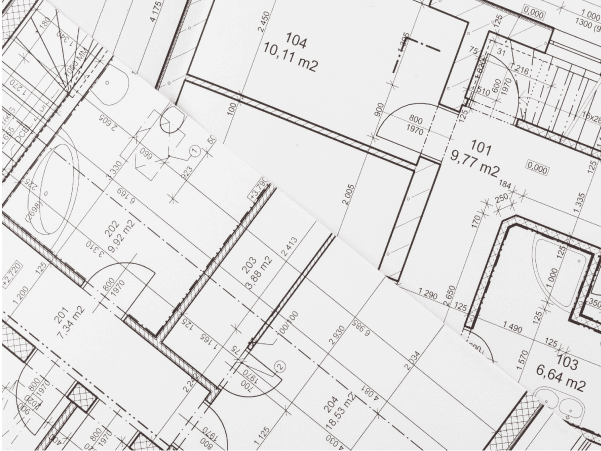
It was never careless, and it was certainly not guesswork. It was experience built over time. But it was also limited by the tools available at the time.
Looking back now, we were designing three-dimensional life safety systems using two-dimensional information and quietly accepting the gaps that came with that.
Where the Industry Was
Fire alarm design traditionally involved a significant amount of interpretation. A flat drawing had to be translated into a real building that did not yet exist. Building designs were split across numerous drawings all lost in a pile of tender information and missing information which hadn’t even been created. Engineers had to learn to picture possible cable routes, containment runs, ceiling obstructions and access constraints which were not always obvious on the initial floor plans.
Costing followed the same pattern. Device quantities could usually be identified with confidence, but routes and installation complexity were harder to define. Allowances were added not because of uncertainty in the design, but because of uncertainty in the information available at the time.
That approach worked for many years, but as buildings became larger, more complex and more tightly coordinated, its limitations became increasingly clear.
Where We Are Now: Using BIM
The introduction of BIM has not changed what fire alarm design engineers do, but it has changed how clearly, we can do it. For the first time, we can properly see the building we are designing for rather than imagining it from a set of drawings.
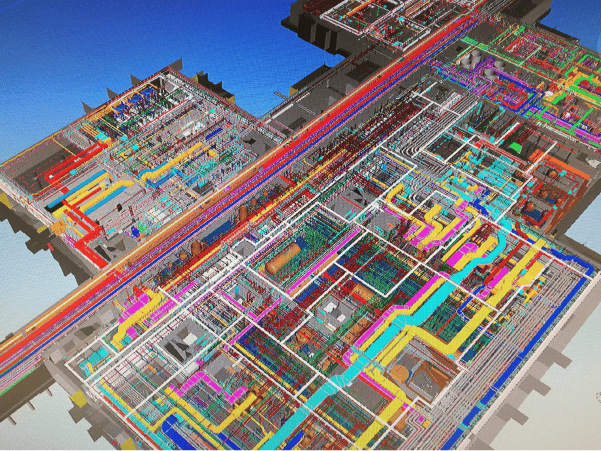
Instead of interpreting lines on a plan, we can understand spaces. Detector locations can be reviewed against real ceiling geometry. detectors can be coordinated with architectural features such as down stand beams. Control panels and risers can be positioned with access, maintenance and real-world use in mind.
Design discussions change when everyone is looking at the same information. Questions are answered earlier, and assumptions begin to disappear.
The Impact on Costing and Time
One of the most practical benefits of BIM is the improvement it brings to costing. When routes are visible and layouts are coordinated, pricing becomes far more grounded.
Quantities are clearer. Cable routes are better defined. Installation complexity is easier to understand. This reduces the need for large contingencies and leads to more confident and transparent pricing.
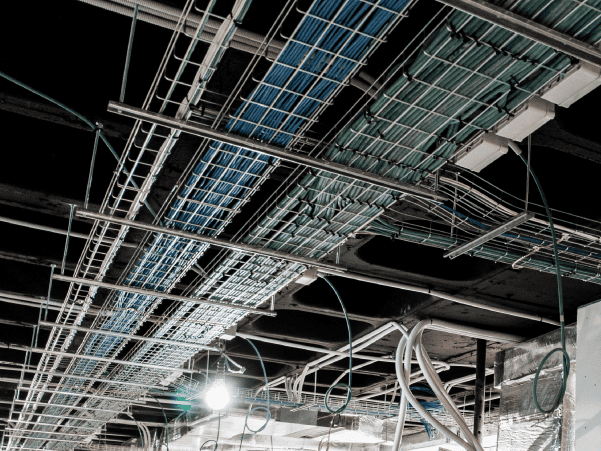
Time is also saved, not by rushing the design process, but by removing inefficiencies. Issues that would previously have been discovered on site are now identified during design. Coordination happens digitally rather than through repeated site visits and last-minute changes.
The result is a smoother delivery process and fewer surprises for everyone involved.
A Change in Mindset as Much as Technology
What BIM has really brought to the fire alarm industry is a change in mindset. Design becomes less about interpretation and more about intent. Less about reacting to site conditions and more about understanding them early.
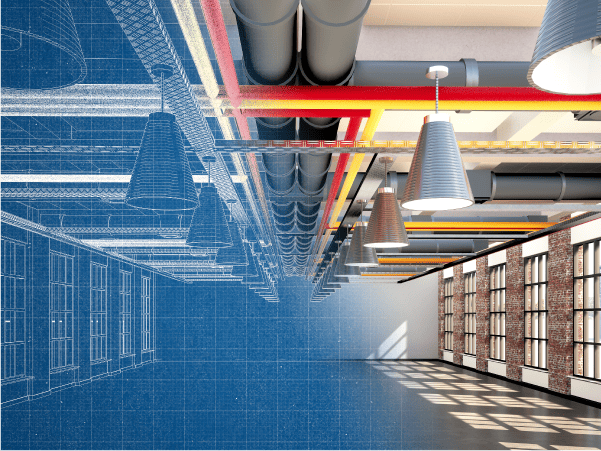
The fundamentals of fire alarm design remain the same. Systems are still designed to standards and in line with the fire strategy. Engineering judgement is still essential. What has changed is the level of clarity supporting those decisions.
Looking to What Comes Next
If BIM has helped us see the building properly, then Virtual Reality feels like the next sensible step. Not as a gimmick, but as a practical way of doing the same job better.
Instead of organising multiple site visits or trying to get everyone in the same room at the same time, VR opens the door to reviewing fire alarm designs in a shared virtual space. Engineers, installers, clients and other stakeholders could all walk through the building together without anyone needing to travel to site. People can join from different offices, or even different parts of the country, and still be looking at the same thing.
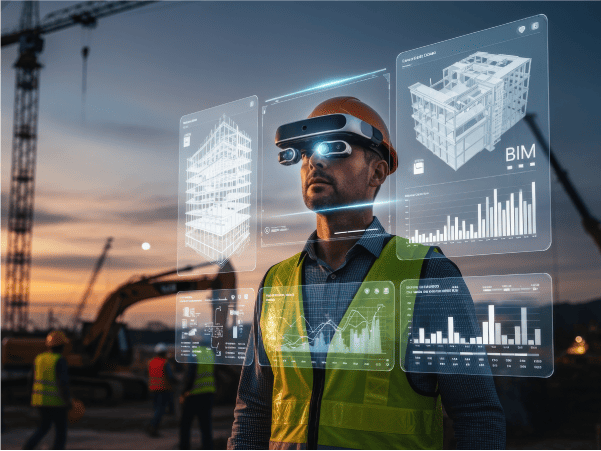
That makes a big difference when you are trying to review device locations, access for testing and maintenance, or how a system will actually work once the building is in use. Seeing a fire alarm layout at full scale, in context, is far more intuitive than looking at drawings or screens and trying to imagine the space.
For life safety systems, especially on complex or higher risk projects, that kind of visibility can save time, reduce misunderstandings and cut down the number of site visits needed just to answer basic design questions. It is simply another step towards clearer design, better coordination and fewer surprises later on.
A Thought to End On
Looking back at how fire alarm design has evolved, the progression feels logical rather than revolutionary. We moved from 2D drawings because they were the best tools available at the time. We adopted BIM because it allowed us to see buildings more clearly and design with greater certainty. Each step has been about improving understanding, reducing risk and making better decisions on systems that exist to protect life.
What is interesting is that none of these changes have altered the responsibility of the engineer. Standards still apply. Judgement still matters. The difference is the quality of information supporting those decisions.
As tools continue to develop, the question is no longer whether technology like BIM or Virtual Reality is impressive. The real question is whether, If we can design, review and understand fire alarm systems in the same three dimensional space they will one day protect, what should good practice look like next?
Thanks for reading, and should you like to discuss fire system design and BIM in further detail, feel free to catch me at The Event Birmingham on March 19th. You can grab your free ticket here.
Design Manager
Protec Fire and Security Group